Ronald Reagan Washington National Airport, serving the greater Washington, D.C. metropolitan area, has recently installed an advanced radar system. This significant technological upgrade comes in response to a catastrophic midair collision in 2025 that resulted in 67 fatalities due to a series of systemic failures.
New Radar System Enhances Safety
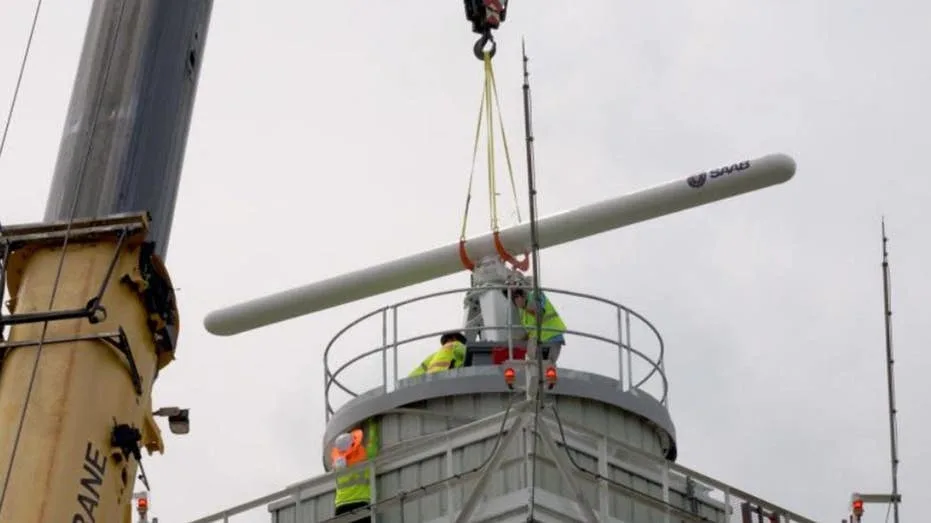
The airport has now been equipped with the Surface Movement Radar, designated as SMR-4, according to an announcement made by Transportation Secretary Sean Duffy on Friday. This state-of-the-art technology is specifically designed to assist air traffic controllers in accurately identifying aircraft and ground vehicles as they navigate runways and taxiways, particularly under challenging conditions such as adverse weather and limited visibility.
"This new radar is our latest reinforcement tool to equip our controllers as they safeguard our air travel. We’re working at the speed of Trump to deliver the world-class air traffic control system America deserves," Secretary Duffy stated.
He further elaborated that the new radar system will provide air traffic controllers with a "clearer portrait" of all activity occurring across the airport's operational areas.
Reagan National is the fifth airport nationwide to implement this advanced system. Newark Liberty International Airport also received this technology earlier in the week, signaling a broader rollout of the safety enhancement.
The Aftermath of a Devastating Collision
The installation of these upgrades follows a tragic incident on January 29, 2025, when a midair collision occurred between American Airlines Flight 5342, a regional jet operated by PSA Airlines, and a U.S. Army Black Hawk helicopter. The collision took place over the Potomac River, in close proximity to the airport.
The devastating crash claimed the lives of all 64 individuals aboard the American Eagle flight, along with the three occupants of the military helicopter, bringing the total death toll to 67.
Systemic Failures Identified
Following a thorough investigation, the federal government formally acknowledged liability for the fatal collision. The National Transportation Safety Board (NTSB) concluded that the incident was a consequence of systemic deficiencies in airspace design, safety oversight, and risk management practices, attributed to both the Federal Aviation Administration (FAA) and the U.S. Army.
Jennifer Homendy, chairwoman of the NTSB, commented on the findings in a report issued in January 2026.
"This complex and comprehensive one-year investigation identified serious and long-standing safety gaps in the airspace over our nation’s capital," Homendy remarked. "Sadly, the conditions for this tragedy were in place long before the night of Jan. 29."
Ongoing Safety Investments
The Department of Transportation has also outlined plans for substantial future investments at Reagan National. Over the next three years, a total of $30.5 million is earmarked for further safety and technology enhancements at the airport, underscoring a commitment to preventing similar incidents.